A newsletter can get hundreds of answers and almost no sales. Users respond out of curiosity, ask questions, refuse or are genuinely interested in a proposal – so a high percentage of responses by itself does not say anything about the effectiveness of a campaign.
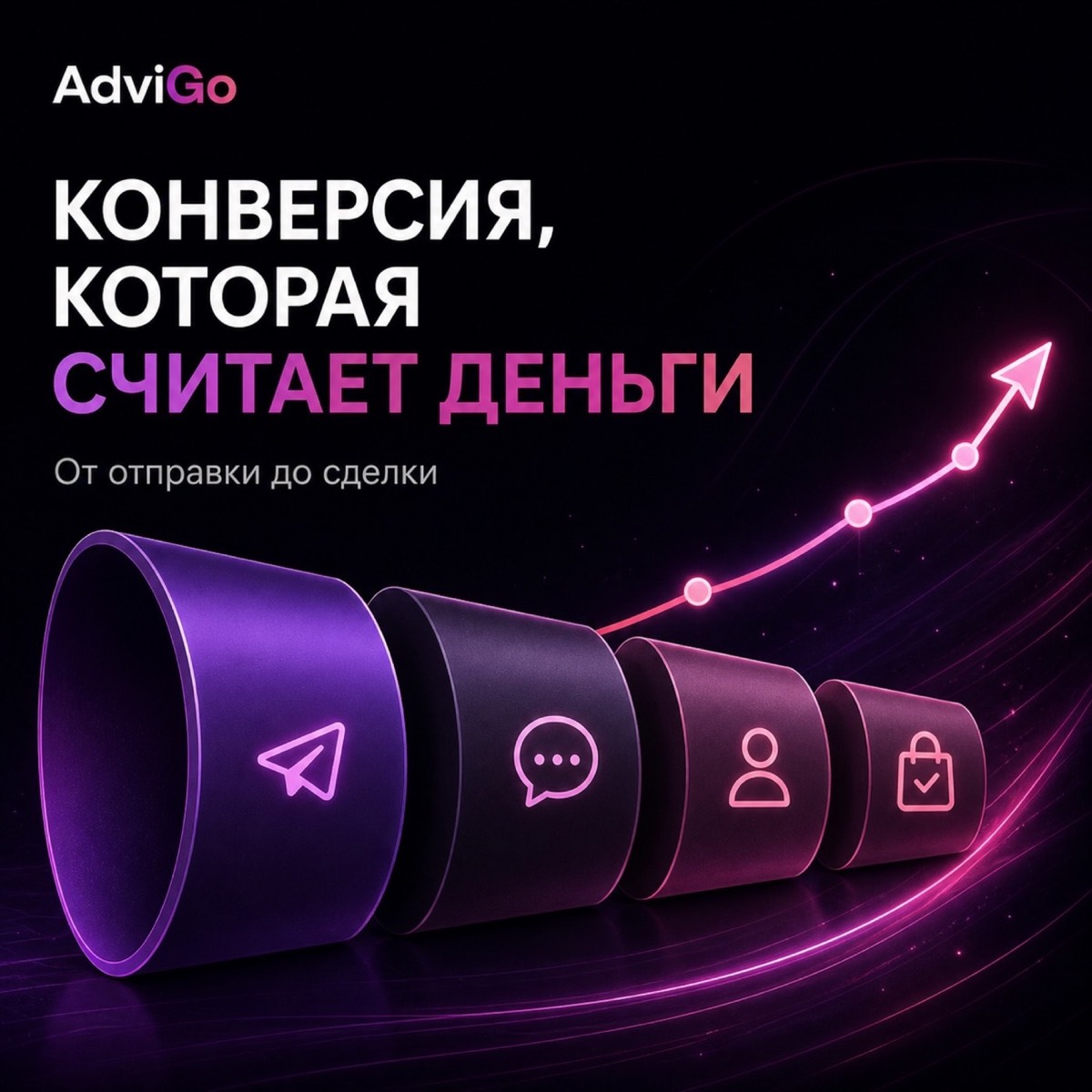
To understand the real result, you need to look at the entire chain: how many users received the message, how many responded, how many became targeted leads and how many eventually reached the deal.
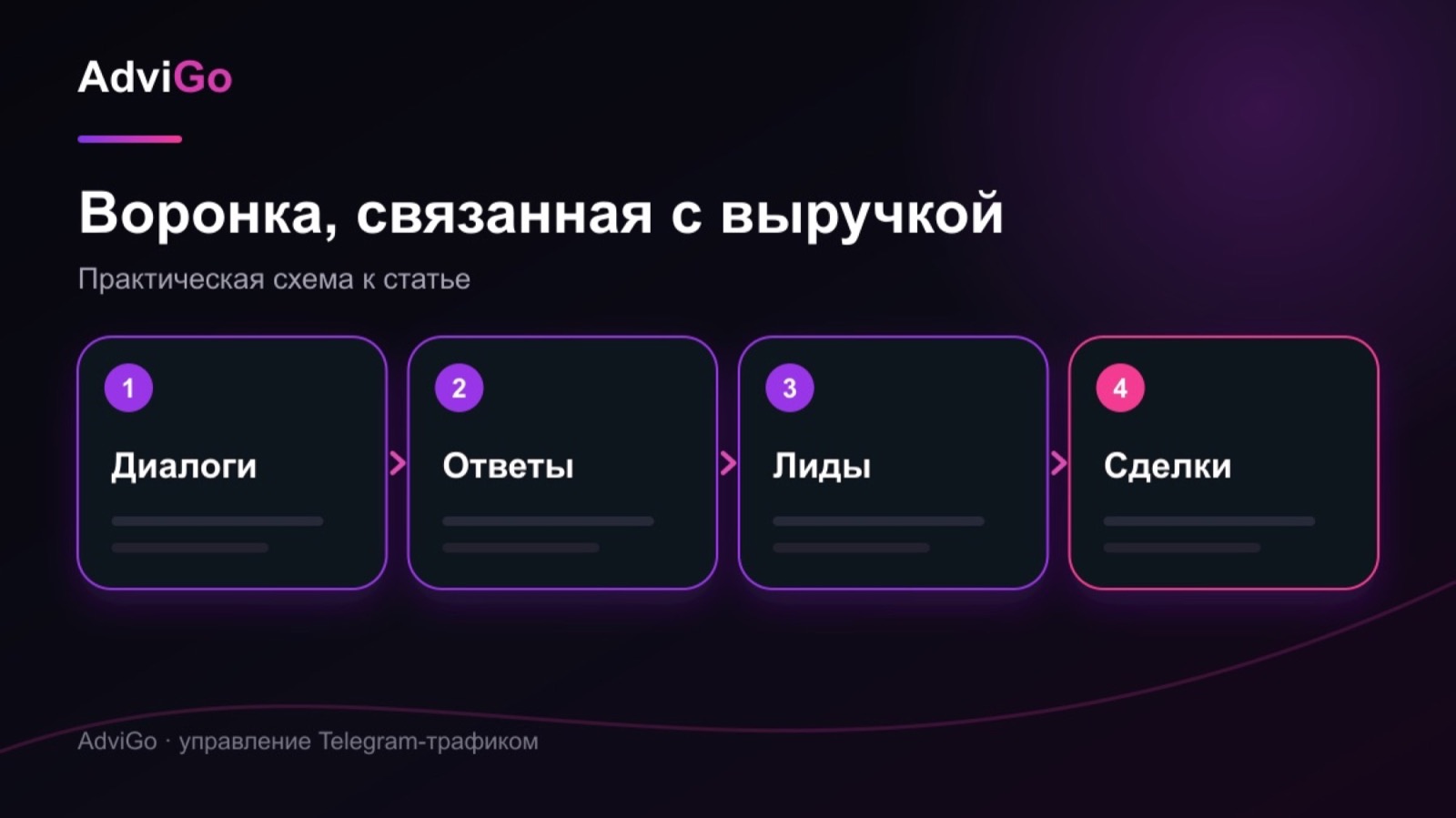
Distribute the mailing in stages
You don’t need complex analytics to begin with. It is enough to collect a simple funnel that corresponds to your sales process:
Contacts → answers → targeted answers → qualified leads → next step → deals.
The next step could be calling, registering, ordering, receiving details, or other action that brings the customer closer to buying. The main thing is to agree in advance what is considered a transition between stages.
Let’s say the mailing list looks like this:
10,000 contacts → 1,000 responses → 250 targeted responses → 100 qualified leads → 30 commercial actions → 10 trades.
The total conversion from contact to transaction is 0.1%. But it is more useful to look not only at the final figure, but at each transition separately. This is how you can see at what stage mailing or further work with the client begins to lose effectiveness.
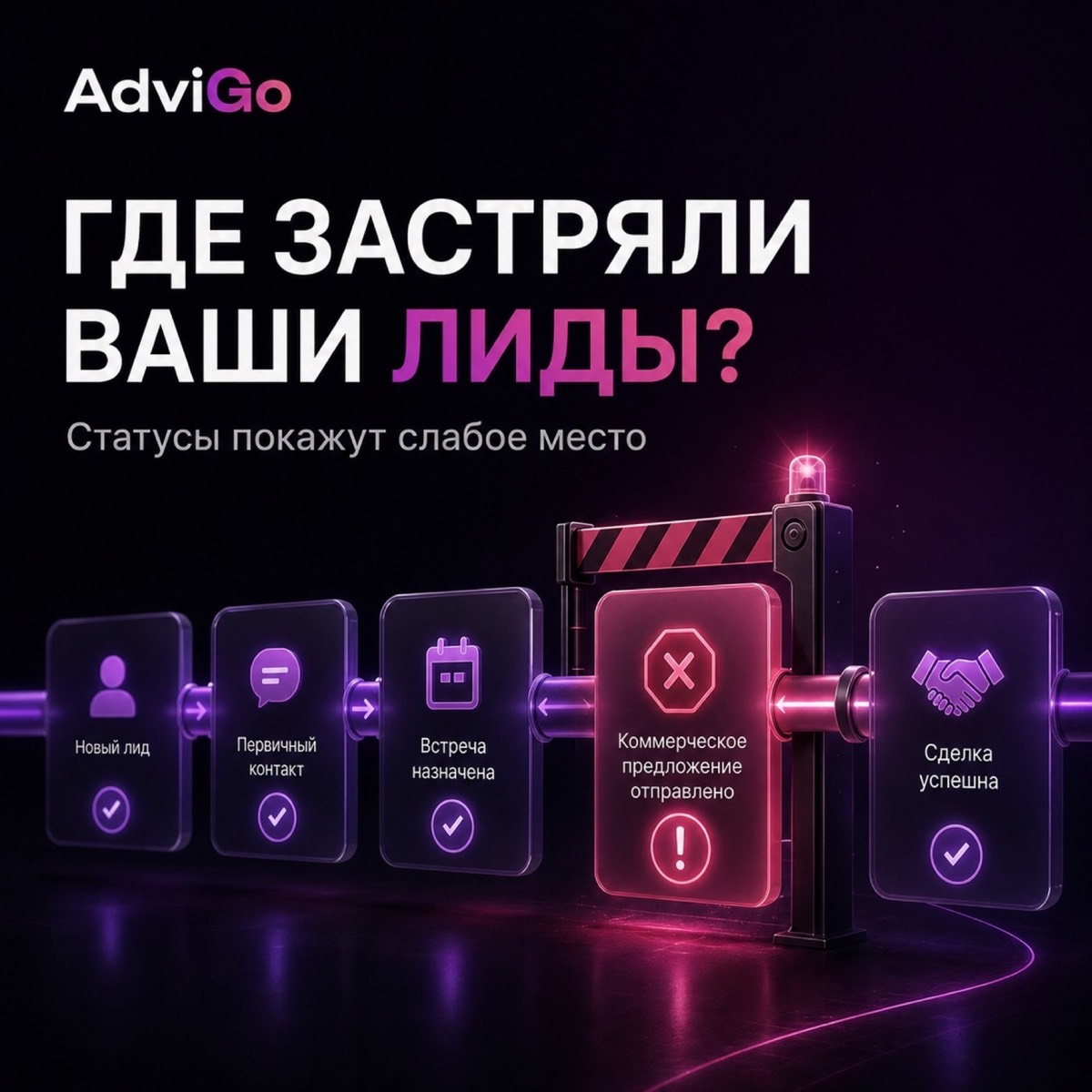
Set up statuses for your funnel
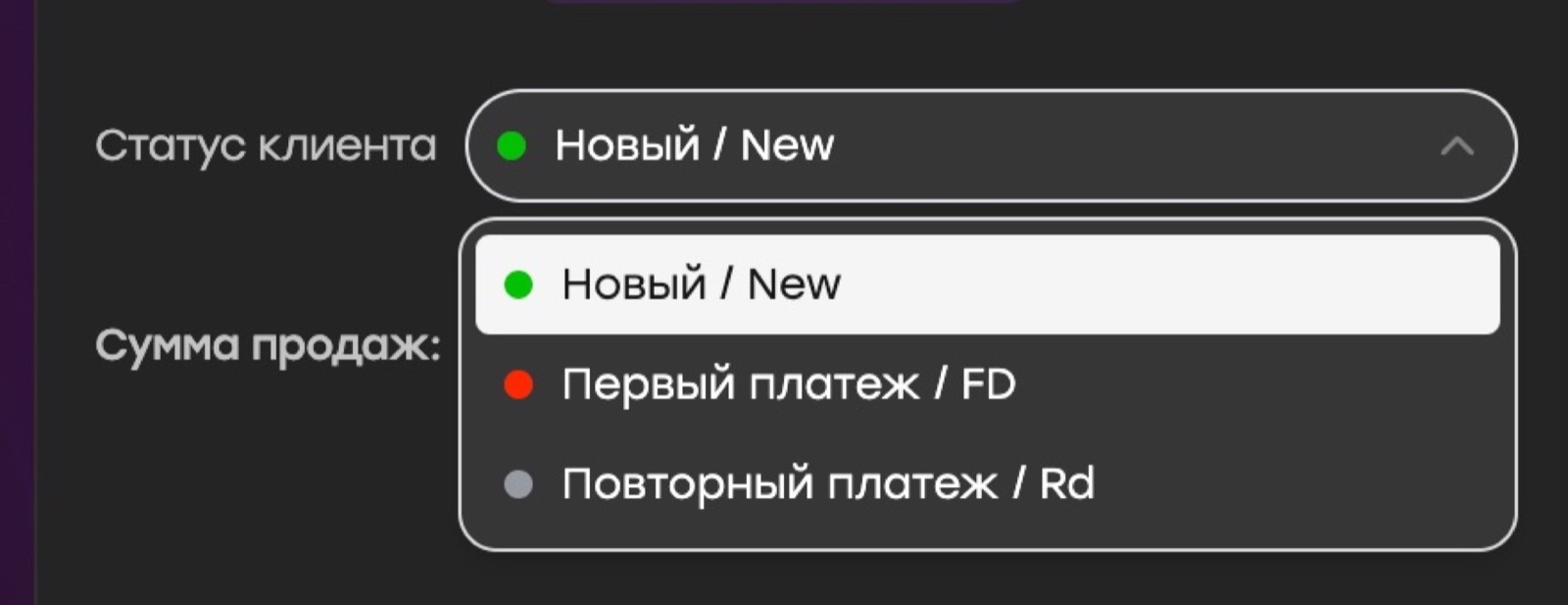
For such a chain to be controlled, the steps must be understood equally by the entire team. AdviGo uses user statuses and dialogs to mark the current status of the customer during the sale.
At the start, several clear states are enough: for example, New; Contact; First payment; Second payment. Do not create dozens of statuses if managers do not understand the difference between them.
It is important to set the rules in advance. For example, “Qualified” is put only after confirming the necessary criteria of the client, and “Next step” – when the user has agreed to a specific action. Then statuses become not just marks in correspondence, but the basis for the analysis of the funnel.
Подробнее о работе с ними — AdviGo’s Guide: “Sales and User Status.”
Find a place where customers are lost.
The main value of such a funnel is that it allows you to understand not just the final conversion, but a specific stage of drawdown.
If you send a lot of messages, but almost no one responds – it is worth checking the audience and the first message. If the answers are enough, but there is little target interest – perhaps the newsletter attracts the wrong users or the audience expectation does not coincide with the offer. If qualified leads appear, but practically do not reach the deal - the problem may already be in the further work with the client.
Therefore, the wording “newsletter does not work well” says almost nothing to the head. It is much more useful to understand at what transition the conversion drops and how much.
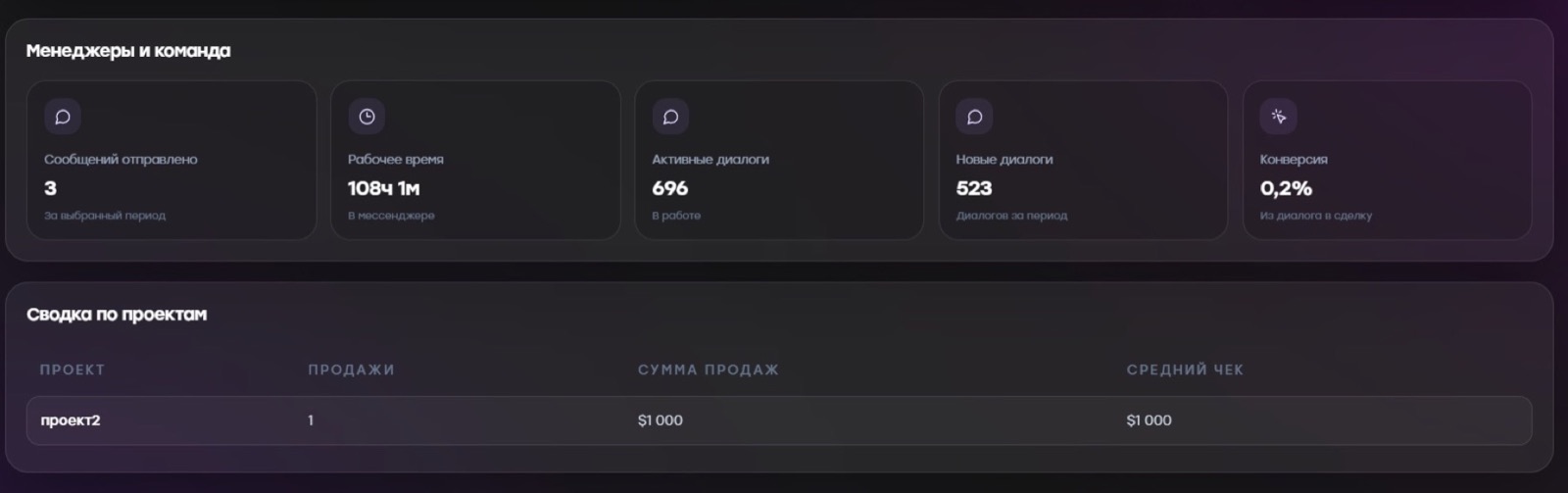
Для этого в Advigo предусмотрен отдельный модуль статистики, который помогает анализировать результаты работы внутри системы. Подробнее о нём можно прочитать under the heading “Statistics”.
Add money to the conversion
The next step is to link results to costs. To do this, collect the main expenses of the campaign: bases, accounts, proxies, team work, services used and other startup costs.
Let’s say the campaign cost $2,000 and brought in 100 qualified leads and 10 customers.
The cost of a qualified lead:
$2 000 ÷ 100 = $20
The cost of the customer involved:
$2 000 ÷ 10 = $200
Now the two newsletters can be compared not only by the number of responses. One base can give a high response, but few sales. The other is getting fewer reactions, but bringing in significantly more targeted customers.
A cheap response does not mean an effective campaign. The ultimate benchmark is the cost of the outcome that really matters to the business.
Use AdviGo statistics to compare results
It is especially useful to analyze campaigns not only in their entirety, but also in the context of individual hypotheses. If different audiences, projects, or approaches are mixed, the overall conversion can hide really strong segments.
Let’s say that the audience of competitors gave 50 qualified leads out of 2,000 contacts, and the broad thematic community gave the same 50 leads out of 8,000. In general statistics, you will get 100 leads out of 10,000 contacts, but the effectiveness of these sources differs several times.
This is where AdviGo’s status and stats bundle becomes particularly useful. Statuses help to record the stage to which the user has reached, and statistics - to look at the results and find changes in performance.
So the manager gets an answer not only to the question “how many dialogues were there”, but also to more useful questions: which audience is better through the funnel, where potential customers are lost and what makes sense to scale further.
Change one element.
After the analysis, a specific action should follow. If the first response is weak, test another message. If non-target users respond, change the source of the audience. If qualified leads do not move on – check the work of managers and the sale process itself.
But do not simultaneously change the base, text, command and volume of mailing. Even if the result is better, it will be difficult to understand the reason for the change.
It is more practical to work in short cycles:
Launch → AdviGo statistics → search for a weak stage → one change → a new launch.
After the next cycle, the indicators can be compared again and check whether the change has actually improved the result.
Consider not the answers, but the way to the deal.
The response rate is useful for evaluating the first stage of the newsletter, but it does not show the final result of the business. A campaign becomes truly measurable only when it is possible to trace the path of the user from the first message to the target action.
It does not require a dozen complicated reports. We need a clear funnel, uniform rules for working with statuses and regular analysis of statistics.
AdviGo combines these elements within a single system: the team works with Telegram-dialogs, records the stages of users using statuses and can refer to statistics to analyze the results.
Then, instead of “we got 20% of the answers,” a much more useful picture emerges: which audience responds, how many users become leads, at what stage they get lost, and how many end up in a deal.