Not every conversation that stops is truly lost. The user may have opened the message at an inconvenient time, become distracted after a clarifying question or deliberately postponed the decision.
A follow-up can therefore bring some leads back into active discussion. It works only when it continues the earlier conversation instead of feeling like another cold message.
The weakest approach is to contact everyone after the same interval with something like “just reminding you about us”. It gives the person no new reason to reply and quickly turns follow-up into pressure.
A good follow-up should answer one simple question: why should this person return to the conversation now?
First understand why the conversation stopped
Do not send the same follow-up to every user.
If the person never answered the first message, keep the follow-up brief and neutral. Do not write as though they have already shown interest.
If the user requested details, received them and then disappeared, the situation is different. There is already context, and the follow-up should build on it.
If the person said “come back in two weeks”, they have already set the timing. Honor that agreement rather than using a standard sequence.
Do not contact everyone after three days
There is no universal follow-up interval.
If you sent brief information and need a simple answer, you can return sooner. If the customer is discussing budget, seeking internal approval or asked for time to think, give them more room.
It is especially important to respect the timing the user requested.
“I will message you on Friday, as agreed” feels natural. An unplanned reminder two days later can feel like pressure.
Good follow-up is guided by what has happened in the conversation, rather than the representative's internal calendar.
Give a new reason to reply
Rephrasing the opening message is not enough.
Add something new: a brief example, case study, new feature, changed condition or specific question.
For example, instead of:
“I wanted to remind you about our offer.”
Try:
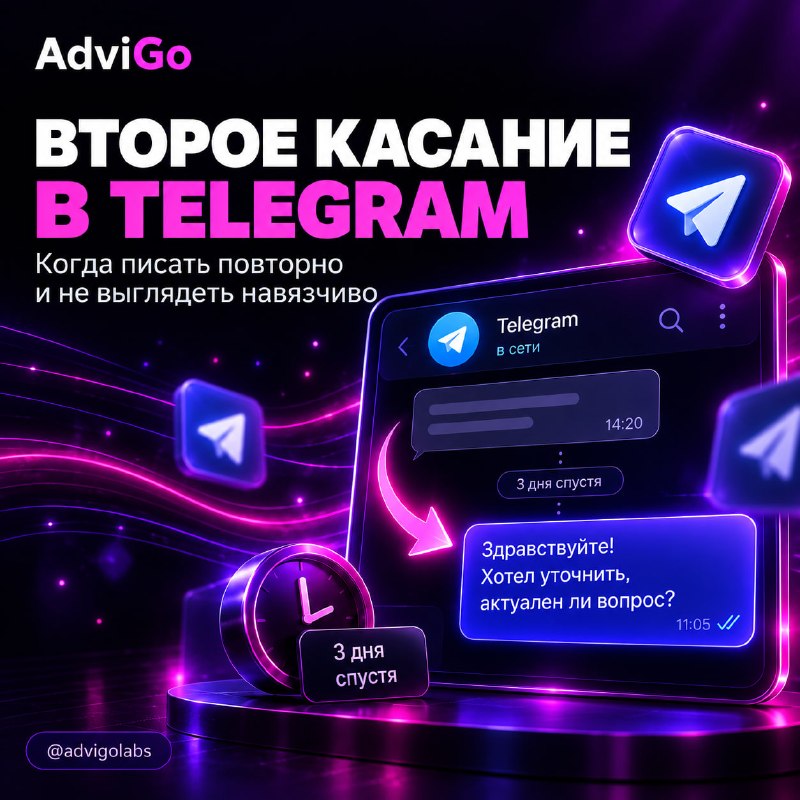
“You asked how this works with several Telegram accounts. I can show you a short example of one workflow. Would that be useful?”
The second version gives a specific reason to return to the conversation.
Do not overload the second contact
After a pause, representatives often try to recover the entire conversation in one message.
The user then receives a long text repeating the offer, benefits and links, plus a request to choose a time for a call immediately.
If the person already postponed the discussion once, a large block of text is likely to go unanswered again.
Build the follow-up around one action. The easier it is to answer, the better the chance of restarting the conversation.
Keep agreements with the conversation
This issue becomes especially noticeable when a different representative handles the follow-up.
Without saved context, the employee may repeat the same questions or contact the user when they asked not to be disturbed.
Record both the status and a brief comment: what you discussed, why there was a pause and what should happen next.
AdviGo internal comments keep this information beside the conversation. A new representative sees the history and picks up from the right point instead of starting over.
Measure return to the funnel, not just replies
Reply rate alone cannot measure follow-up success.
Someone may answer “no”: there is technically a reaction, but the conversation is no closer to a sale.
A better measure is how many users return to active work after the follow-up: they show renewed interest, qualify or agree to the next step.
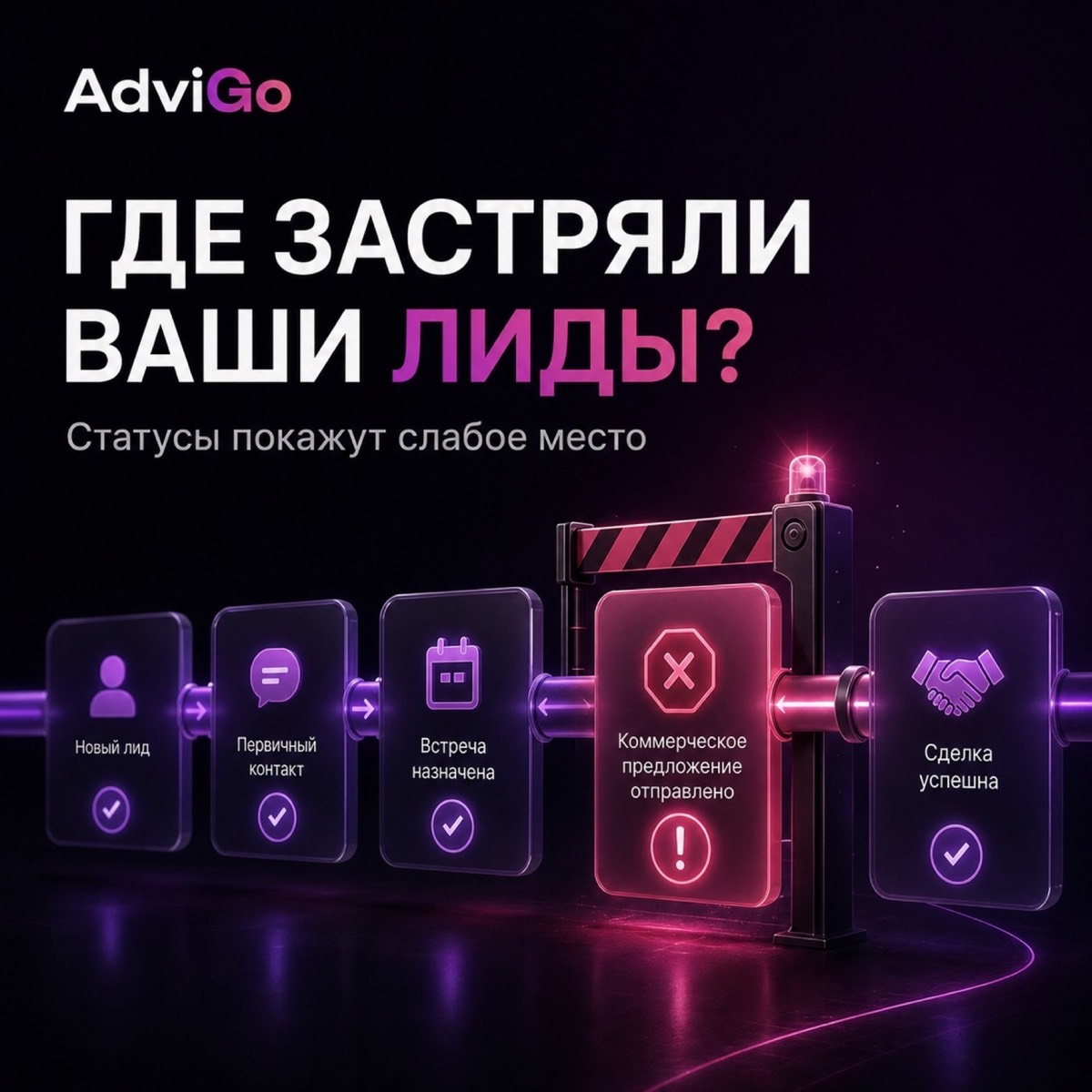
AdviGo lets you track this through statuses and compare outcomes in Statistics.
If one follow-up approach consistently brings back more relevant leads, use it as a starting point for similar situations.
Good follow-up feels like a continuing conversation
Follow-up works best when the person immediately understands why you are contacting them again.
The representative takes the earlier discussion into account, respects the agreed timing and offers a simple next step.
AdviGo helps keep these conversations from being lost: statuses show whom to revisit, internal comments preserve context, and statistics reveal which follow-ups actually bring users back into the funnel.