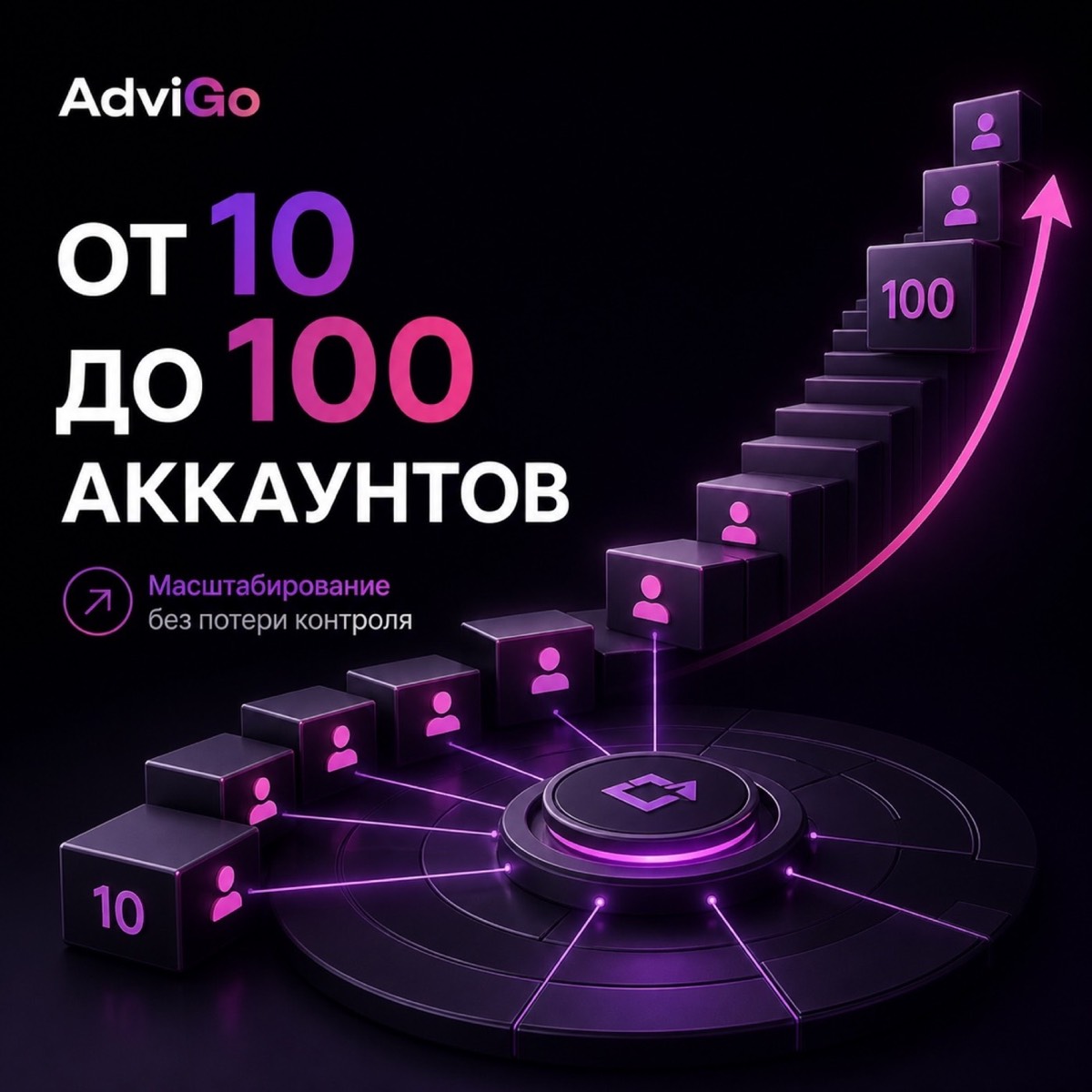
Moving from a small group of accounts to a large infrastructure doesn’t just change volume. New roles, technical dependencies and queues of answers emerge. If you just multiply the working circuit by ten, manual operations and weaknesses also grow tenfold.
Scaling is not about adding accounts. This is a test of whether the whole system is able to work with the increased volume without losing leads and quality.
First, make sure that scaling is really something.
Expand only the bundle that has already shown a stable result. One successful launch does not mean that the audience, the message and the offer will work on a larger volume.
Before connecting new accounts, conduct several test cycles. See if the number of targeted responses persists, how many users qualify and make it to the next step. If the result varies greatly from launch to launch, you first need to find the cause of the instability.
It is especially important not to confuse a high percentage of answers with a ready-made working model. A newsletter can collect many reactions, but give few qualified leads. In this case, increasing volume will create more dialogue, but not necessarily more sales.
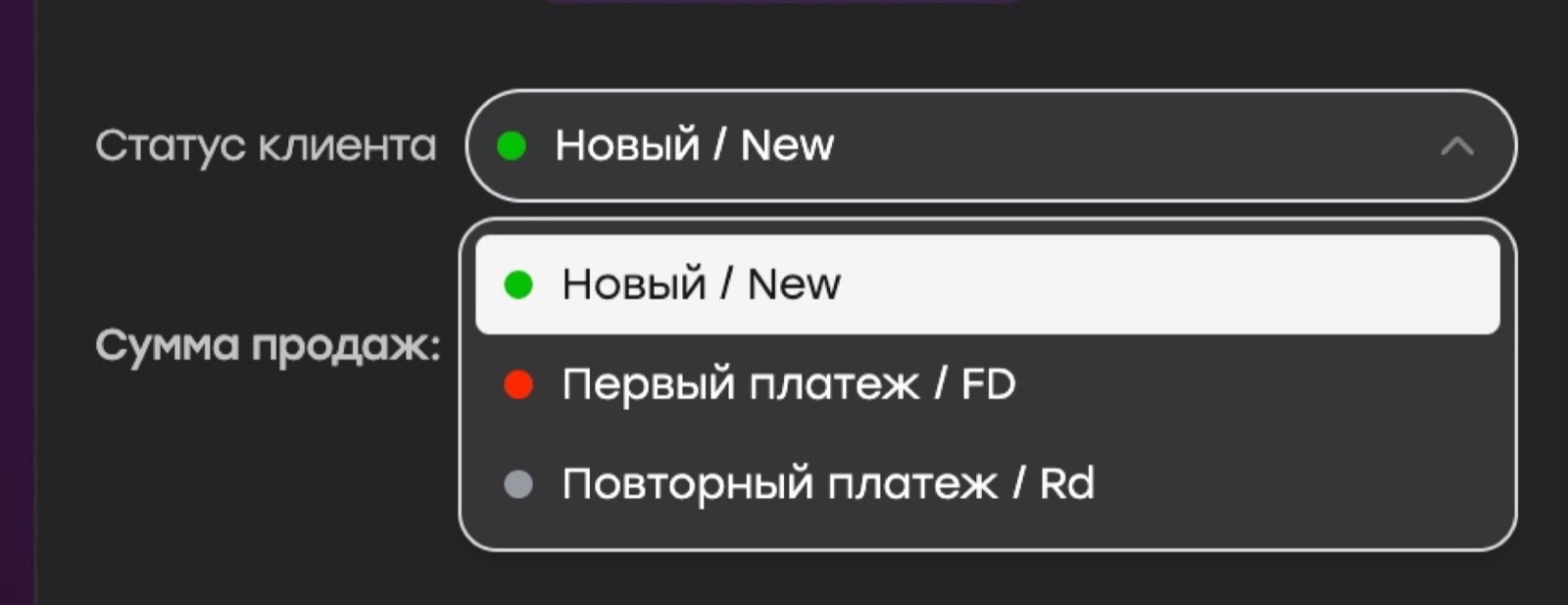
In AdviGo, user movement can be recorded using statuses, separating the usual response from the target interest, qualified lead and transaction.
Scale up gradually
You don’t need to switch from 10 accounts to 100. It is much safer to increase the volume in stages: first connect an additional group, check the result and only then move on.
For example, after a stable operation of ten accounts, you can go to twenty. If the number of shipments has doubled, and the quality of leads and processing speed have remained, you can connect the next group.
This approach helps to quickly find the moment when the system fails. If you connect all hundred accounts at once, and the result worsens, it will be difficult to understand the reason. The problem may be in new accounts, proxy, additional database, or an overloaded team.
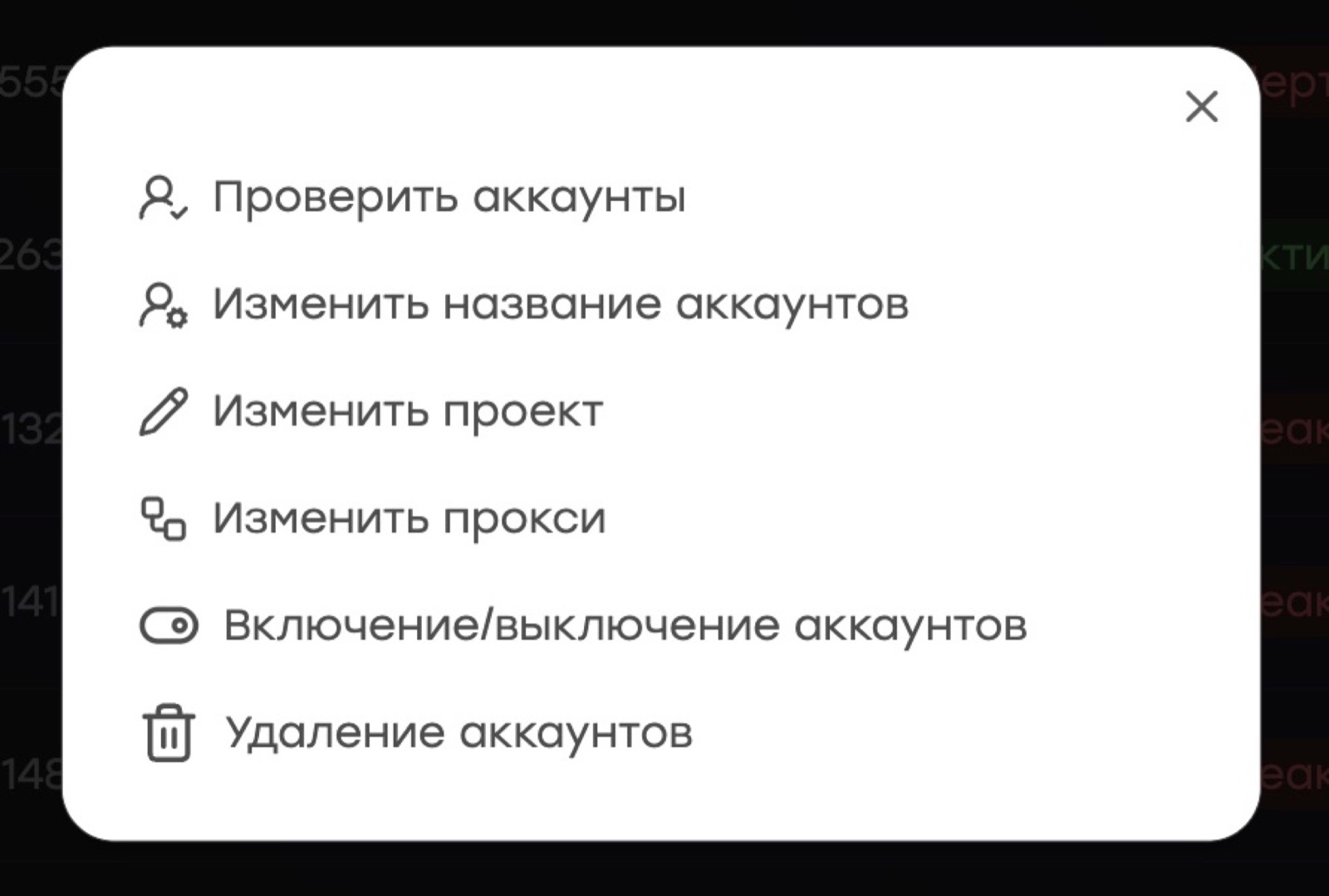
In AdviGo, accounts can be distributed across projects and managed from a single interface. This allows you to separate working groups from each other and not stop the entire infrastructure if one site requires inspection.
Give each group a clear assignment
On ten accounts, the team can still remember which ones are used for a particular base or project. With a hundred connections, memory ceases to be a working tool.
Each group should have a clear purpose. Some accounts can work with a specific project, others with a specific GEO, language or audience segment. Some connections should be kept in reserve so that the problem with one account does not stop the entire campaign.
AdviGo allows you to allocate accounts by project, so the structure is stored inside the work system, not just in team documents.
Prepare managers before volume increases
Additional accounts quickly generate more responses. If the team is not ready for this in advance, the growth of mailing leads to a queue of raw dialogues.
Let’s say that ten accounts create 100 new responses per day that two managers manage. After expanding to thirty accounts, the stream can grow to 300 responses. If the command remains the same, the first response time will increase, and some interested users will lose interest.
In AdviGo, several employees can work in parallel within the same project, and responses from connected accounts are collected in a common interface. This reduces the number of switches between Telegram sessions and helps to distribute the increased flow within the team.
Automate repetitive actions
With a small volume, the manager can manually send a greeting, answer typical questions and check each account several times a day. On one hundred accounts, such actions begin to take up a significant part of working time.
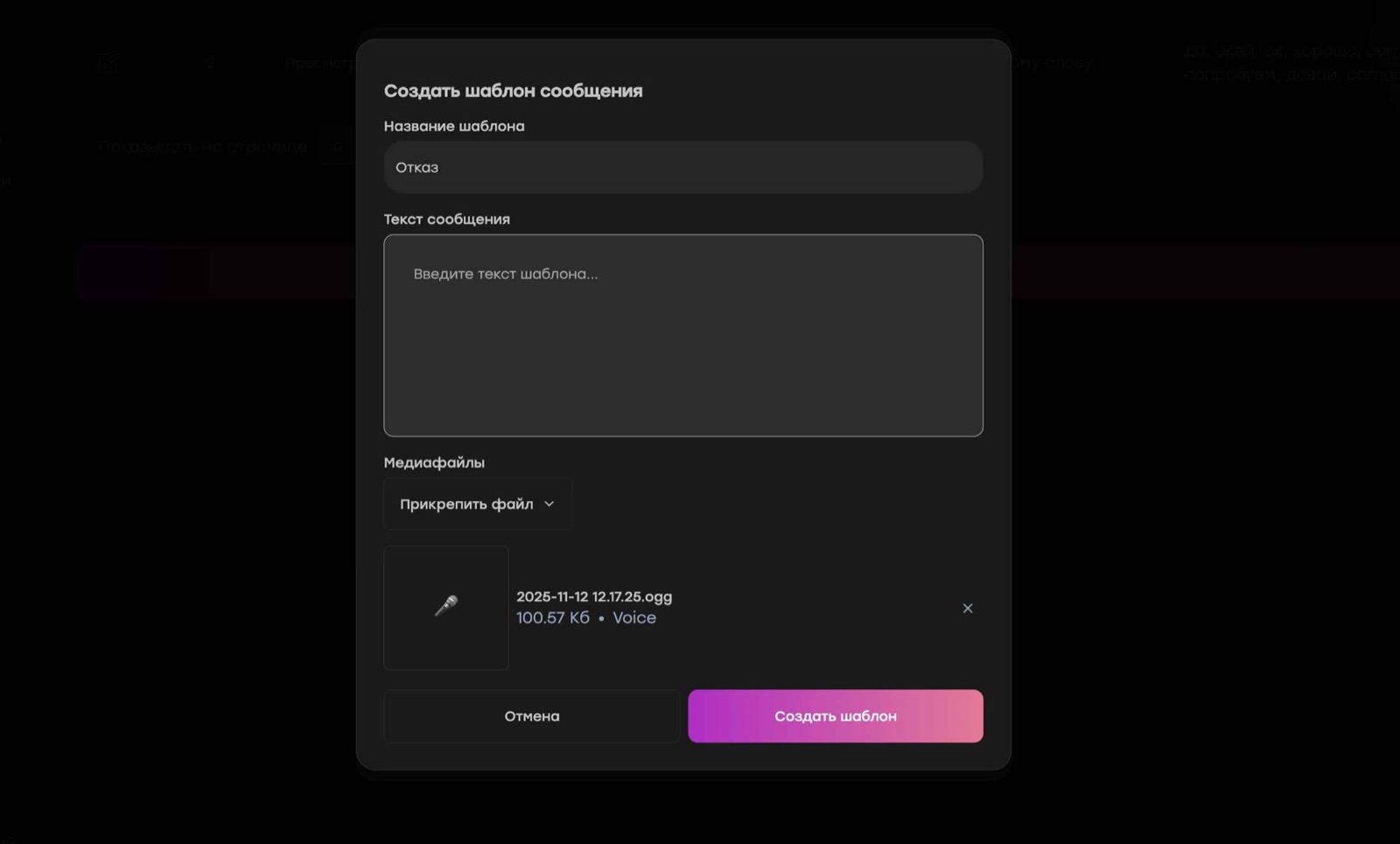
In the mass mailing AdviGo you can work with a downloaded database, use text, media files and spintax. Spintax helps to create natural variants of one formulation, but should not mix different offers within the same campaign.
Keep an eye on responses, not just shipments
When scaling, it’s easy to focus on technical metrics: how many accounts are connected and how many messages are sent. What matters is what happens after the answer.
For example, the number of shipments has tripled, and the number of qualified leads has only increased by 20%. This means that the additional volume works noticeably worse than the previous one.
The reason may be to expand the base. The first ten accounts worked with the most accurate audience, while the new ones received a wider segment. Another option is that managers do not have time to efficiently process the increased flow.
Do not continue to grow by inertia
A plan to reach a hundred accounts should not be a goal in itself. If a project executes a lead plan on forty accounts, connecting another sixty will not necessarily be beneficial.
After each stage, one question should be asked: Did the business result grow with the infrastructure?
If the number of targeted leads increases, managers manage to respond, and conversions persist, scaling can continue. If only shipments and loads grow, you need to stop and find a weak spot.
Sometimes the next growth does not require more accounts, but a new quality base. In another case, you need to expand the command or change the processing process. Scaling should follow a constraint that really prevents you from getting more results.
A hundred accounts are a system, not a list of connections.
Going from 10 accounts to 100 isn’t considered successful when all the connections are in the interface. It is completed when the increased volume steadily goes all the way: messages are sent, answers are not lost, managers manage to engage in dialogues, and the quality of leads does not fall.
AdviGo helps bring this process together in one work environment. Accounts can be allocated to projects and controlled through the “Account Management” section, user movements can be recorded using statuses, and the result of each stage can be checked in “Statistics”.
Then a hundred Telegram accounts become not a hundred individual sessions that need to be controlled manually, but a managed infrastructure that can be expanded without a sharp loss of quality.