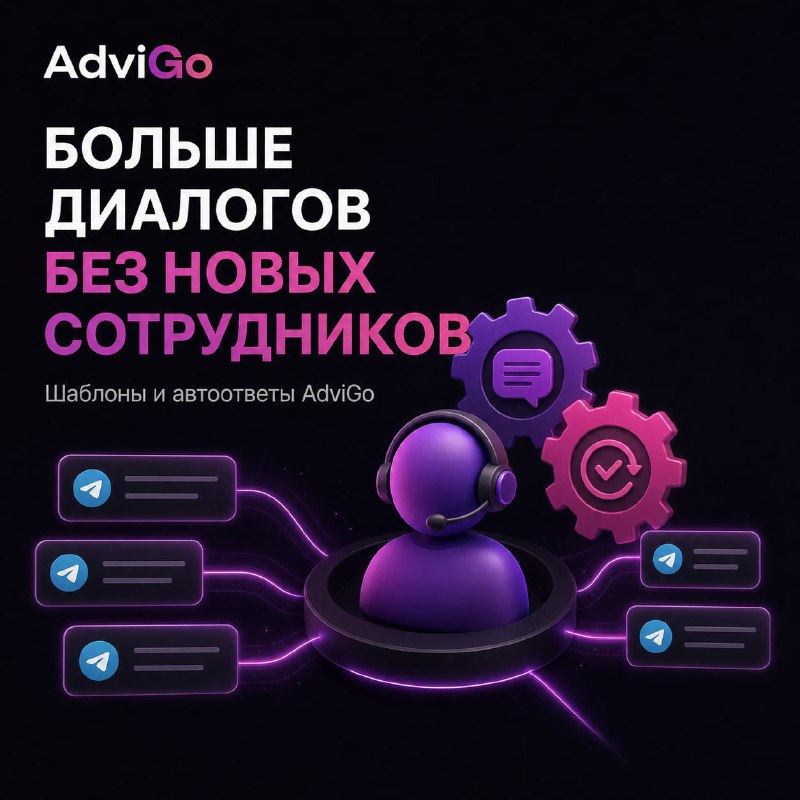
Expanding the sales team is not always the first answer to a growing volume of enquiries. Representatives spend much of their time repeating the same tasks: greeting people, clarifying basic details, sending instructions and acknowledging messages. Separating these tasks from substantive sales conversations allows the existing team to handle more discussions without compromising quality.
Identify repetitive tasks
Start by reviewing real conversations from the past week. Identify the questions people ask most often and the answers your representatives keep typing again.
Questions about price, timing, how the service works, required information and the next step usually recur quickly. However, not all of them can be fully automated.
If the answer depends on the customer's task, prepare a starting point that a representative can adapt manually. Automatic sending works only when the wording does not depend on context and cannot create a misleading promise.
Distinguish automated replies from templates
An automated reply is sent without an employee's involvement. Its purpose is to reduce the initial wait, acknowledge receipt or provide straightforward reference information.
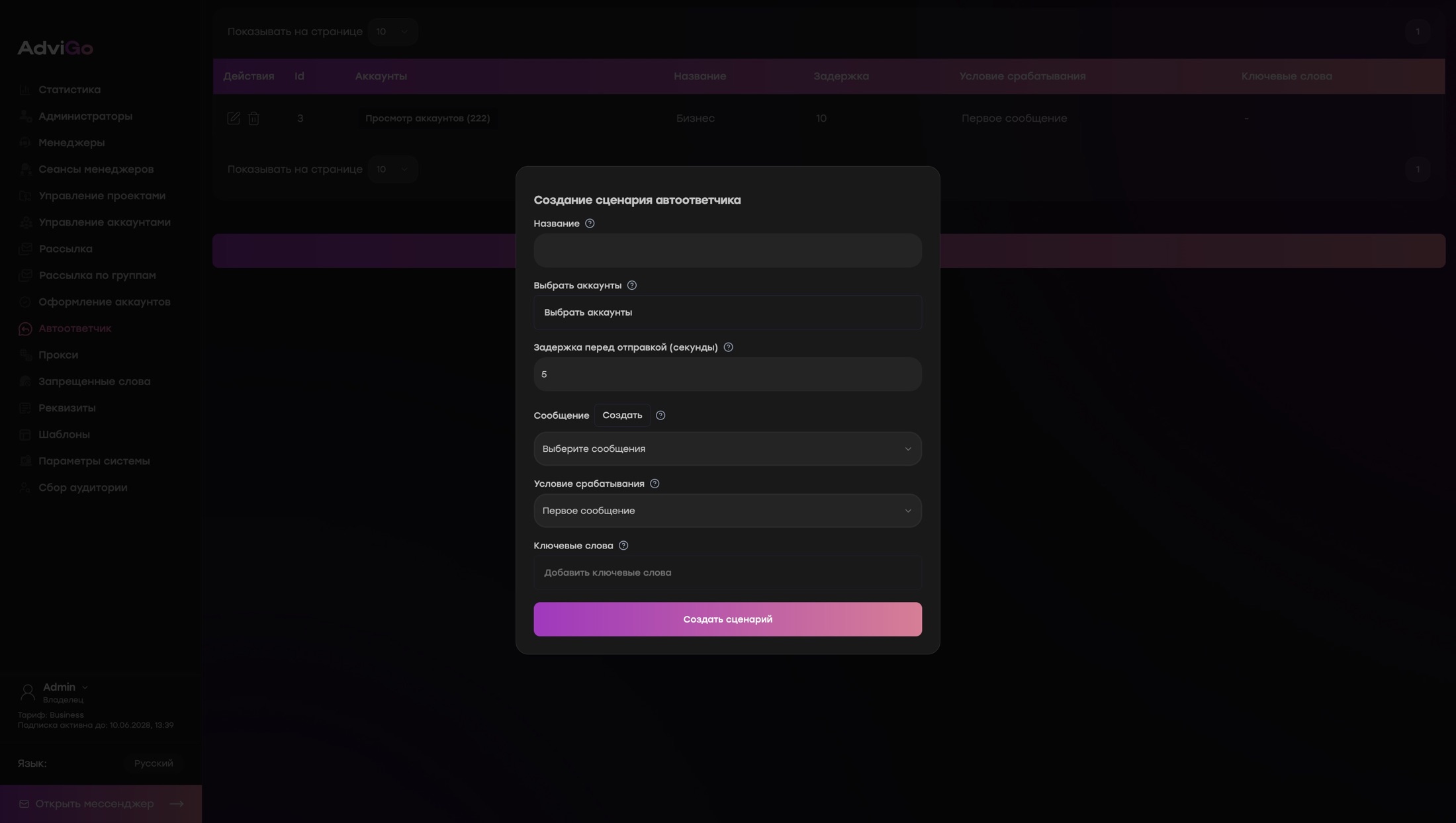
For example, after an initial incoming message, a user can receive a brief acknowledgement that their enquiry has been received and a representative will join shortly. Another scenario is a reply to a specific keyword with clear instructions or a link.
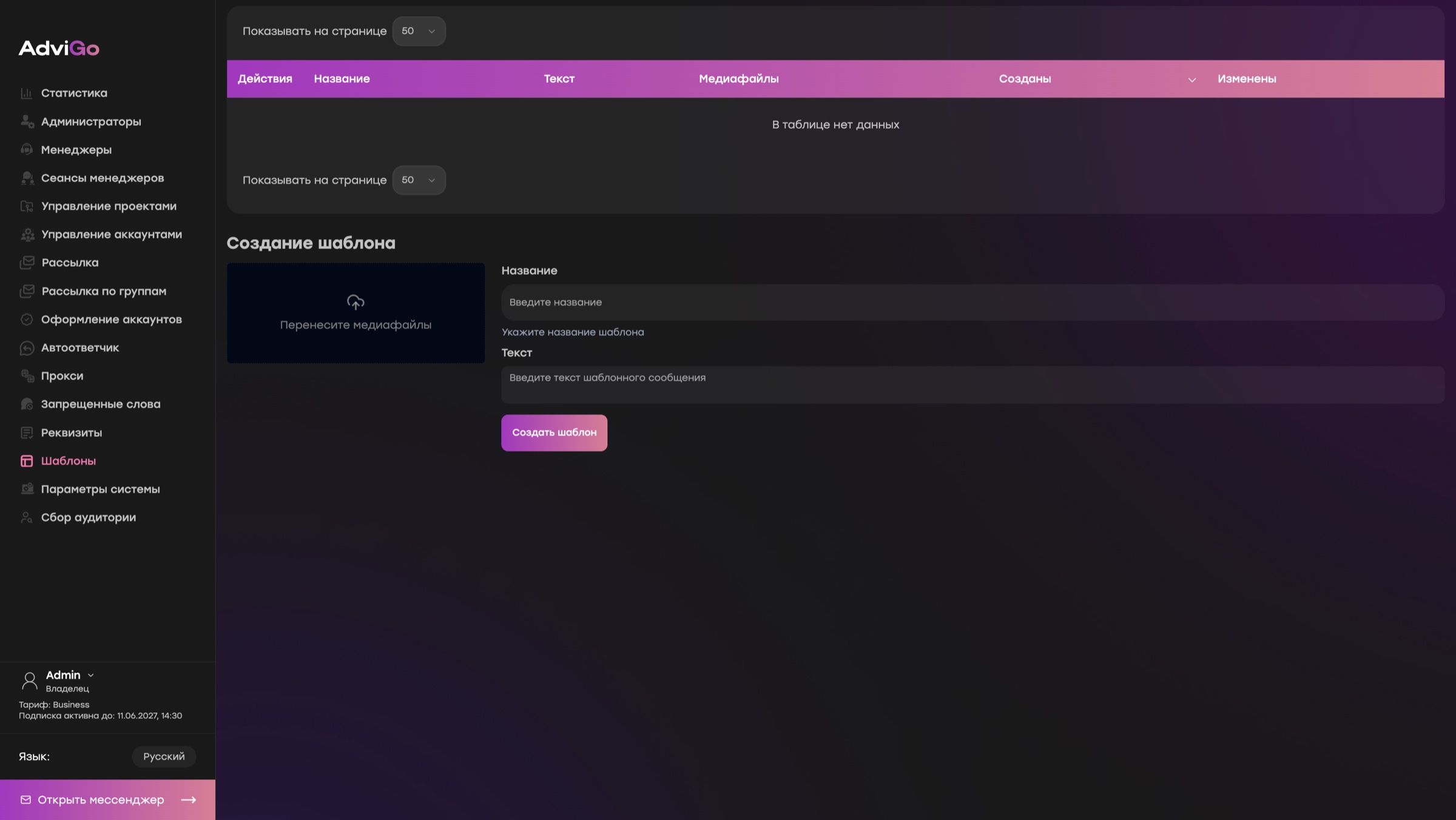
A template is selected by a representative after reading the conversation. It suits situations where the request needs assessment but most of the answer can be prepared in advance.
AdviGo lets you configure welcome messages. Start with a few low-risk scenarios that occur regularly and do not require an individual decision.
Do not try to automate the entire sale
Automated replies handle predictable tasks well, but they should not replace a real conversation.
Unusual requests, objections, price discussions and individual terms need a representative. If you continue such a conversation with a fixed automated sequence, the user will quickly notice that their messages are being ignored.
The purpose of automation is to bring the conversation to the point where an employee actually needs to make a decision. Anything requiring context, reasoning or negotiation is best left to a person.
Write templates like normal messages
A template should not read like an instruction manual pasted into a private conversation. Use short sentences, natural business language and one clear next step.
There is no need to repeat the user's entire question or begin every message with a lengthy greeting. Representatives should be able to adapt the text quickly to the situation.
For example, instead of a long description of every plan, prepare a short outline where the representative can add a suitable option and a clarifying question.
If users keep asking the same follow-up question after a template, important information is missing. If conversations often stop, the reply may be too long or fail to suggest what to do next.
Hand important conversations to a representative
After a reply indicates relevant interest, the user should not remain in an automated sequence. A representative needs to take over in time.
AdviGo brings incoming messages from connected Telegram accounts together in one interface.
Use a dedicated status for these enquiries, such as “Needs a representative” or “Relevant interest”. Important conversations then stay separate from routine questions and receive follow-through.
For more on funnel stages, see the “Sales and user statuses” section of the guide.
Check whether the team is actually saving time
After enabling automated replies, a faster first message is not enough. Make sure automation has not reduced the quality of communication.
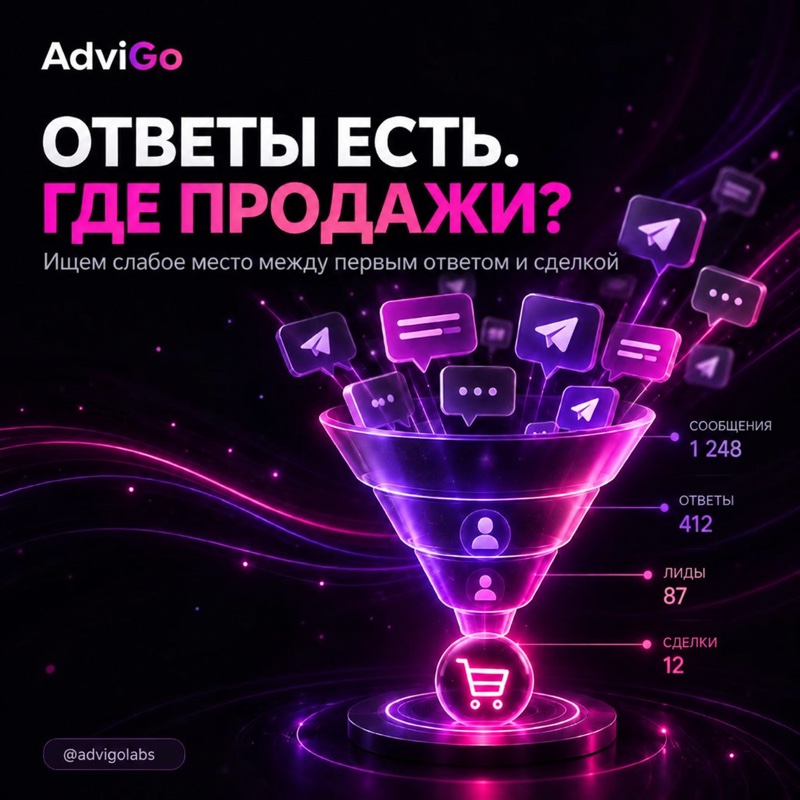
Compare how many conversations each representative handled before the changes and how many they handle now. Check how much sooner users receive their first reply and whether the proportion of qualified leads has fallen.
Automation should free up the representative, not obstruct the customer
Good automated replies do not try to move a user through the entire funnel without a person. They reduce waiting and repetitive tasks so an employee can reach the meaningful part of the conversation sooner.
Templates remove the need to retype the same text while letting representatives account for context. Statuses show which conversations need personal attention, and statistics reveal whether the team is really handling more enquiries.
AdviGo brings automated replies, conversations, statuses and statistics into one workspace. Automation remains part of a process the team can manage, while representatives spend their time qualifying leads, explaining value and agreeing the next step towards a sale instead of repeating the same phrases.