There’s no Telegram report saying “Today you lost three sales due to late responses.” Therefore, the problem remains invisible for a long time.
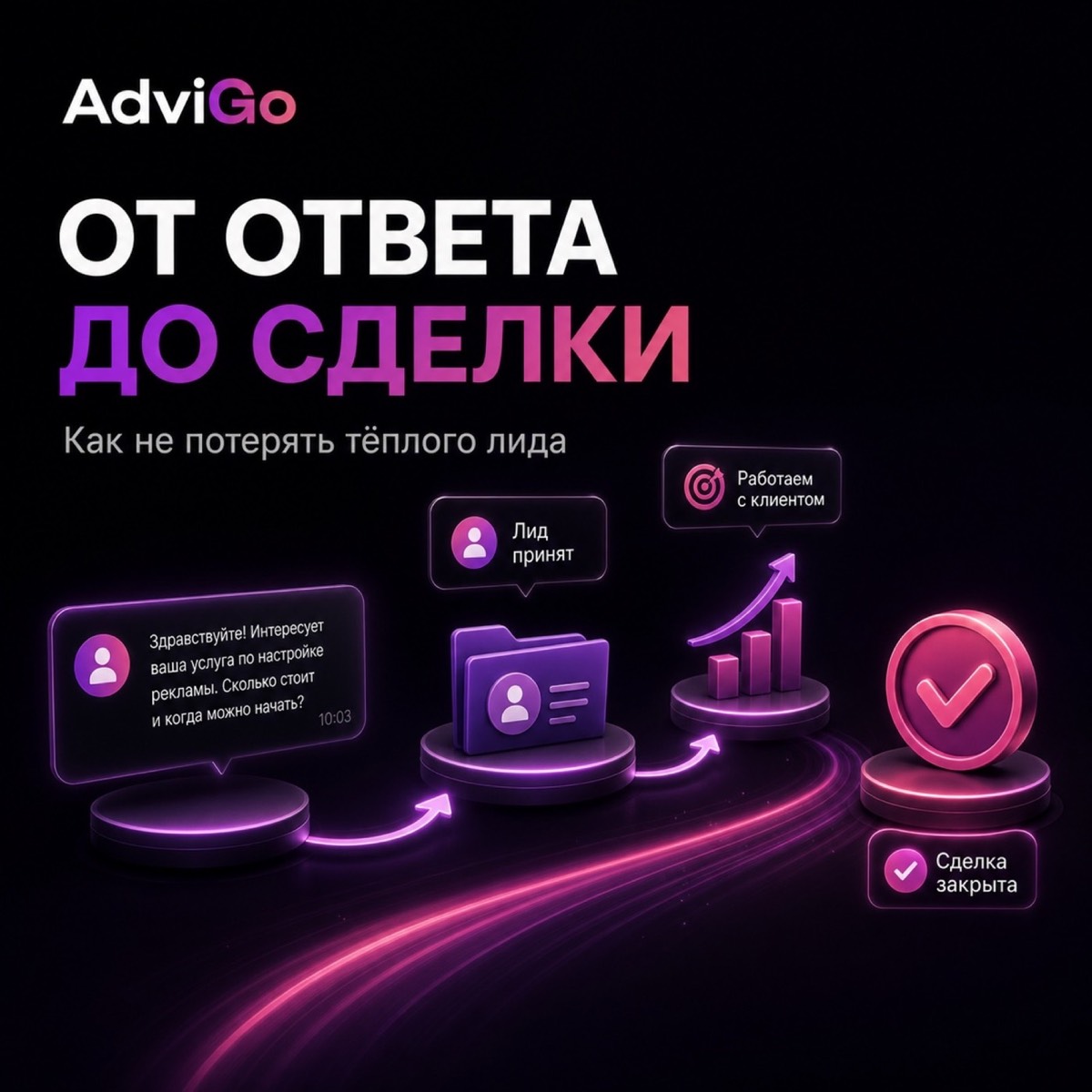
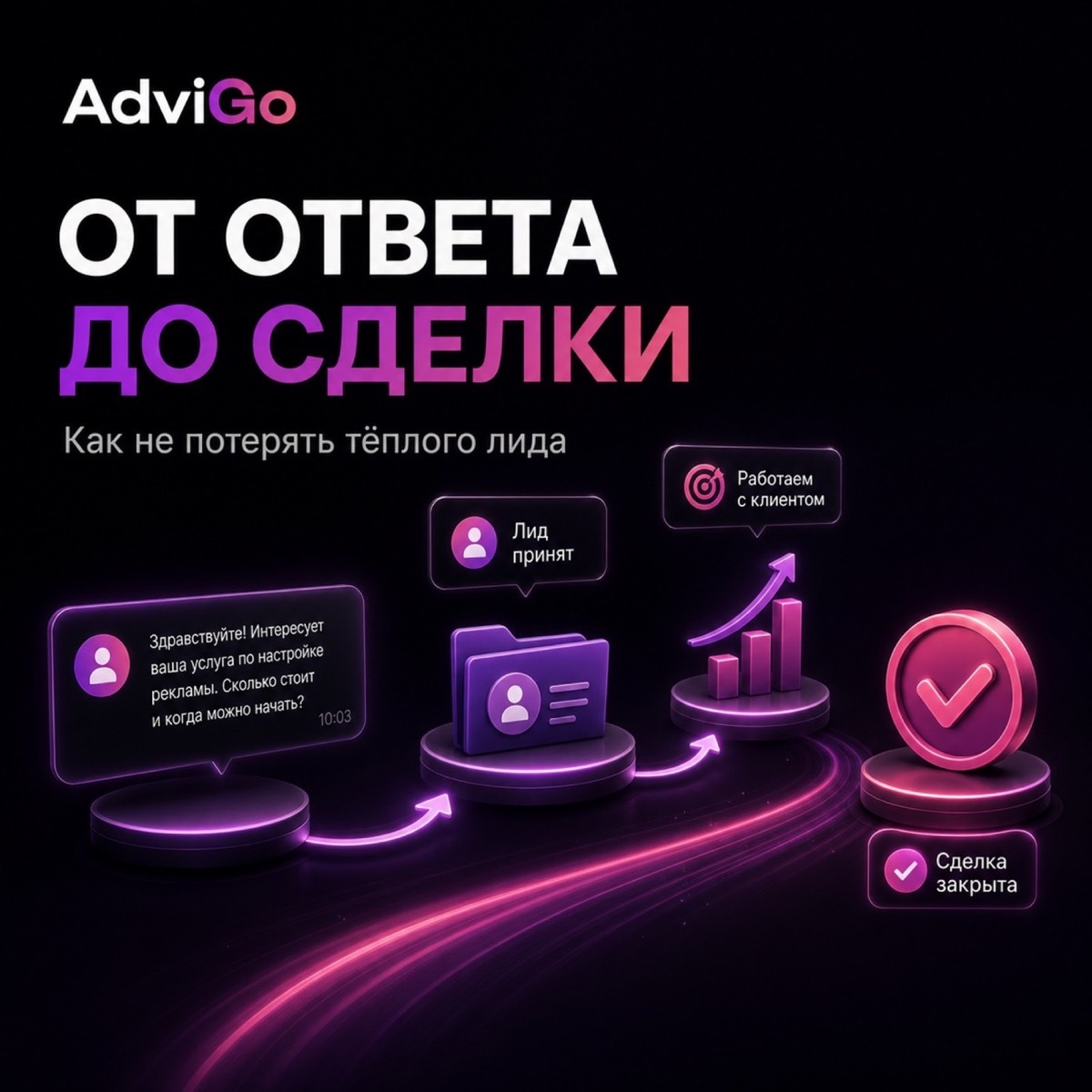
Advertising leads to appeals. Managers are responding. The report has bids, dialogues and sales. At first glance, the process seems to be working.
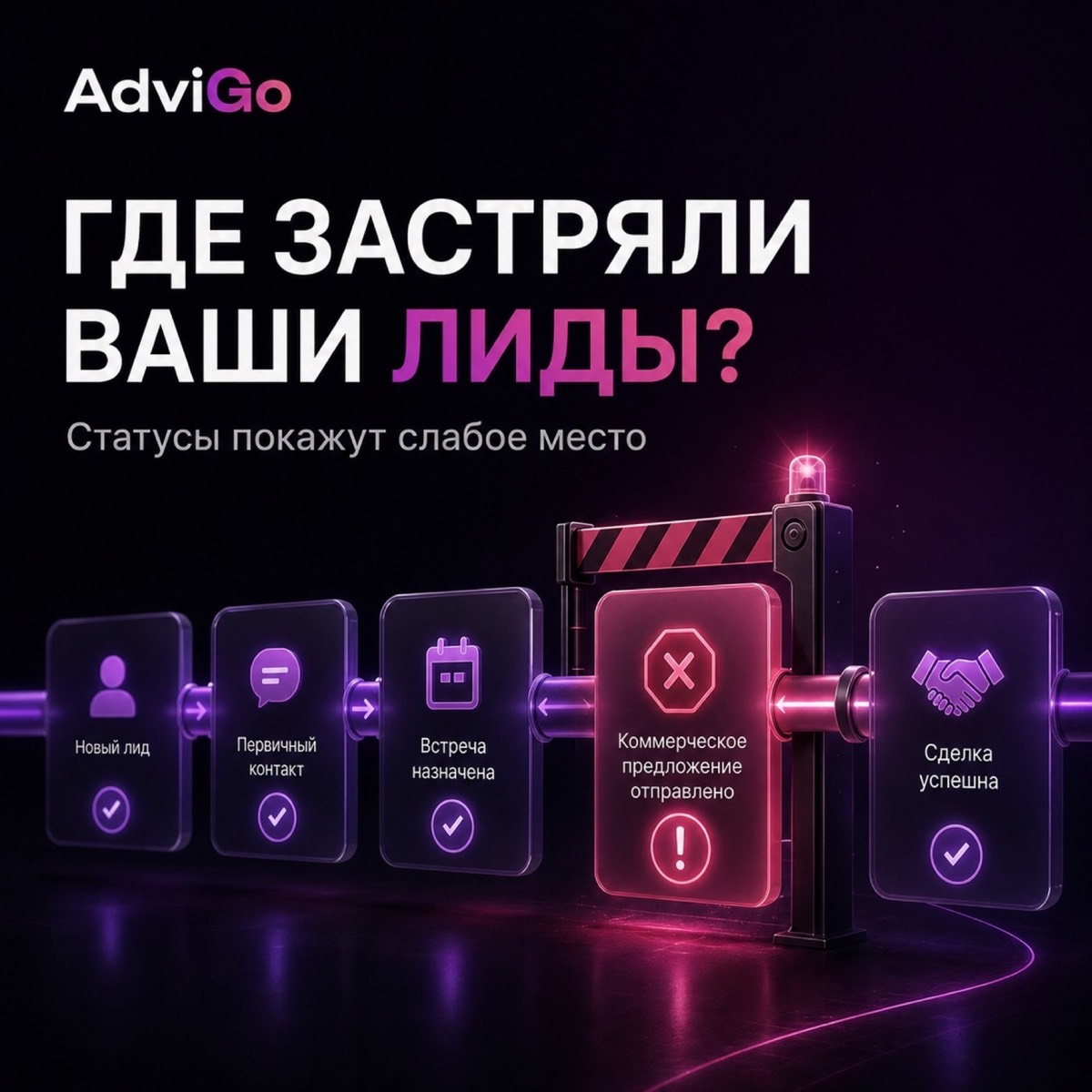
But there is a time between the incoming message and the first response. Sometimes five minutes, sometimes an hour, and sometimes the customer is left unattended. It is in this period that the company may lose an already paid application.
The client does not say that he left because of waiting. He just stops answering.
Losses can be counted.
To assess the impact of response speed, it is not enough to know the total number of calls. We need to divide them into two groups:
- Customers who responded on time;
- Customers who have waited a long time for the first answer.
Compare the conversion rates of these groups.
Let’s say the company receives 200 calls a day. Of these, 20 managers respond with a noticeable delay. Quick dialogs convert to sale at 20%, and late ones at 10%. With an average check of $30, the calculation looks like this:
20 calls × (20% - 10%) × $30 = $60 per day.
During the month, about $1,800 in lost revenue is collected.
This is an example, not a ready-made statistic for any business. The actual amount depends on the product, the average check, the length of the deal, and what your company considers a timely response. But the principle itself allows you to move from the feeling of “managers sometimes slow down” to a measurable business problem.
Four indicators will be needed to calculate:
Number of late processed calls × conversion difference × average check × number of working days.
If a business has repeat sales, it is worth considering not only the first payment, but also the further value of the lost customer.
Where exactly do applications go missing?
To a certain point, Telegram forgives disorganization.
When one person works with appeals through one account, he keeps correspondence under control. New messages are visible, responsibility is clear, there is no need to transfer customers between employees.
Then there's a second account, another manager, a new project. Dialogues are distributed across different windows and devices. After a while, the team faces the same situations:
The manager saw the message, but decided to respond later - and lost it among the new correspondence.
Two employees wrote to one client at the same time.
One manager passed the appeal to another, but the transfer remained only in an oral agreement.
The manager is sure that all messages were processed, although some of them were not opened.
The more accounts and employees there are, the more difficult it is to understand who is currently in charge of a particular conversation. As a result, speed depends on the memory, notifications and personal attention of each manager.
For a growing sales team, this is too unreliable.
Why reminders don't save
After a few missed calls, the manager usually introduces rules: check the incoming more often, be responsible for a certain time, report the transfer of the client.
Rules are necessary, but they have limits.
The manager can not constantly remember what happens in dozens of correspondence opened in different accounts. The manager cannot manually check each dialogue. A liability agreement does not help if it is not recorded anywhere.
Therefore, the speed of response depends not only on discipline. The team needs a work environment in which the raw dialogue is visible and the responsible employee is determined in advance.
What is changing with AdviGo
AdviGo combines Telegram-dialogues of the company in one space. Instead of a few disparate accounts, the team gets a common work environment to communicate with customers.
Dialogue can be assigned to a specific manager. Colleagues see who is already working with the appeal, so do not start parallel correspondence with the same person.
The general picture is available to the manager: which dialogues are in work, which are processed, and which others require attention. Correspondence can be filtered by projects and accounts, and the necessary messages can be found through search.
It changes the mechanics of the job.
- The new treatment does not remain unoccupied;
- Responsibility for the customer is not lost during the transfer;
- Managers are less likely to duplicate answers.
- The manager sees the team load without manually checking each account.
- The increase in the number of dialogues does not require keeping the whole process in mind.
AdviGo does not replace management training and does not sell instead. Its task is more practical: to remove blind spots, because of which the team notices the client too late.
First, save applications that already exist.
When sales are not growing, increasing your advertising budget seems like an obvious solution. But additional appeals will not fix a process in which some messages are regularly lost or wait too long for a response.
Start by checking the last 100 to 200 dialogues. See how much time passed before the first response, which messages went unresponsive, and how conversions changed depending on processing speed.
After that, you can calculate the cost of delays and understand where it is more profitable for a business to act in the first place: buy more traffic or clean up the work with current applications.
If a team is chatting through multiple Telegram accounts, and it’s hard for a manager to know who’s in charge of each client, AdviGo puts this process together in one place. This helps you get into the conversation faster, save more calls, and scale your sales team without constant manual verification.